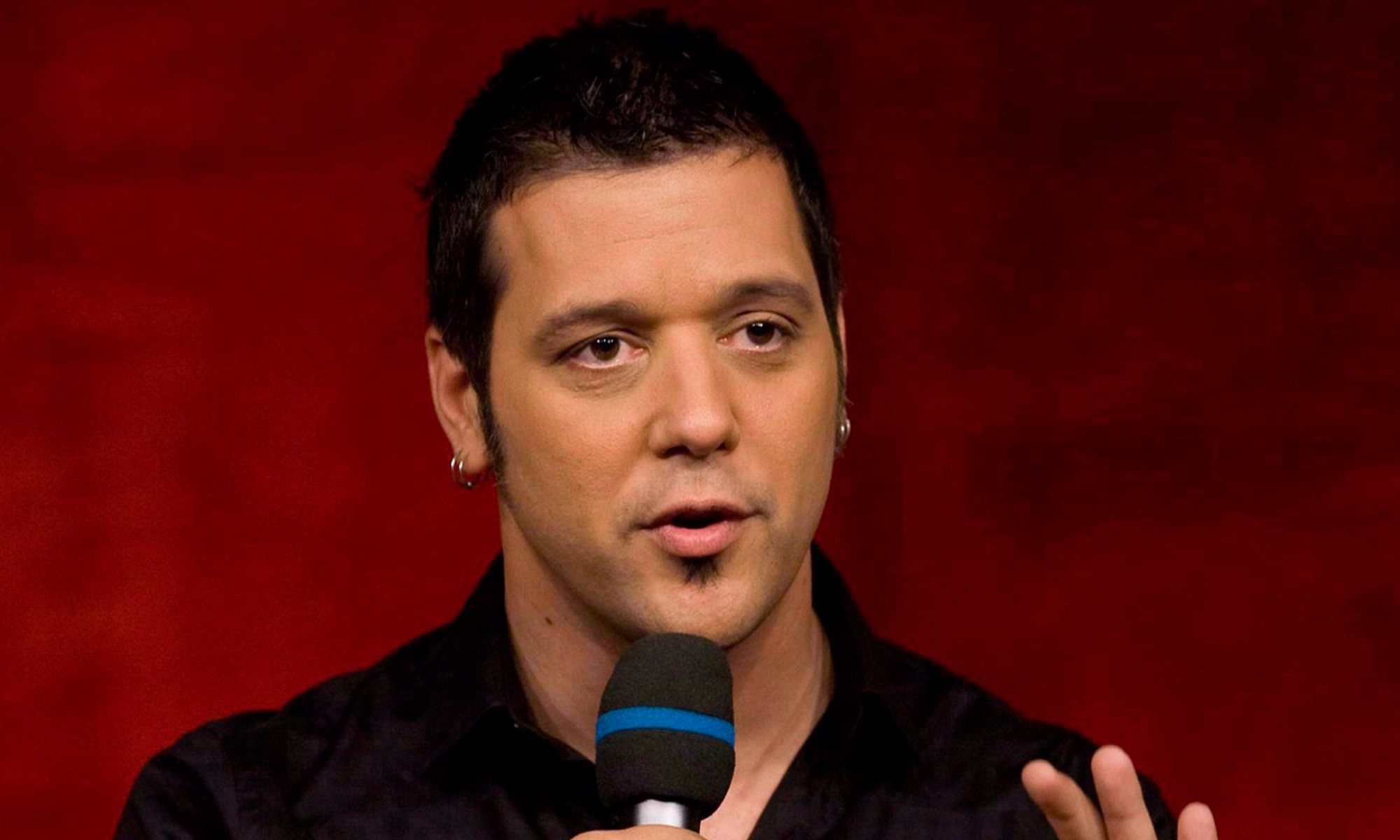

George Stroumboulopoulos & The Young Pope: Mozart, The Chosen One?
[Scene: A grand library within the Vatican, dimly lit by candlelight. George Stroumboulopoulos and The Young Pope sit across from each other, surrounded by ancient texts and Masonic symbols carved into the wooden bookshelves. A phonograph plays a haunting excerpt from Mozart’s Requiem in the background.]
George Stroumboulopoulos: Alright, Your Holiness, let’s talk about the original rockstar composer—Wolfgang Amadeus Mozart. Child prodigy, revolutionary artist, and, as some say, a man with a full-blown Messiah complex. So what was it—genius, madness, or something more?
The Young Pope: Ah, Mozart… the eternal enigma. He was not just a composer—he was a vessel, a conduit for divine inspiration. He believed he was chosen, touched by something beyond mere human talent. And yet, he was a man trapped between two worlds: the sacred and the secret.
George: The secret being… Freemasonry?
The Young Pope: Precisely. Mozart was not just a casual member—he was deeply involved. The Freemasons of his time were more than a gentlemen’s club; they were the architects of enlightenment thought, revolution, and, some would say, hidden power. And Mozart? He saw himself as their prophet, the one who could unite music, mysticism, and Masonic philosophy into something transcendent.
George: And yet, despite all that ambition, he died young—struggling, sick, and, as some suspect, poisoned while composing Requiem. That’s got to mess with your chosen-one complex.
The Young Pope: Oh, but that is exactly why he saw himself as the chosen one. The true Messianic figure must suffer, must be betrayed, must die before completing his work. Look at the final days of his life—fevered, paranoid, convinced he was being watched, hunted. The Requiem itself? He was composing his own funeral mass, as if he knew his time was up.
George: So was he actually poisoned, or was that just the paranoia of a dying genius?
The Young Pope: History has its official version, but let’s just say that men who know too much, who rise too high, and who challenge the wrong powers—those men rarely die peacefully in their sleep.
George: So if Mozart really was a chosen one, what was his purpose? What was he trying to reveal?
The Young Pope: That music is the key to the divine. That sound itself is a language of creation, a force capable of shaping reality. The Masons understood this, but Mozart wanted to take it further—he wanted to bring it to the masses, to enlighten through sound. And for that… well, perhaps the world wasn’t ready.
George: A man ahead of his time, or a prophet silenced?
The Young Pope: Why not both?
[The Lacrimosa swells in the background. The conversation fades, but the mystery of Mozart lingers, just like his unfinished masterpiece.]